
 EN
EN
 AR
AR
 BG
BG
 HR
HR
 CS
CS
 DA
DA
 NL
NL
 FI
FI
 FR
FR
 DE
DE
 EL
EL
 HI
HI
 IT
IT
 JA
JA
 KO
KO
 NO
NO
 PL
PL
 PT
PT
 RO
RO
 RU
RU
 ES
ES
 SV
SV
 TL
TL
 IW
IW
 ID
ID
 SK
SK
 VI
VI
 HU
HU
 TH
TH
 TR
TR
 FA
FA
 AF
AF
 GA
GA
 BE
BE
 BN
BN
 LO
LO
 LA
LA
 MY
MY
LED displays play a very important role in our daily lives. You can find them on every walk of the street, you see it at good theaters and in our educational institutions alike. These displays are combined with large numbers of small LED lights that co-operate to generate the pictures we watch. Resolution is what you have probably heard called the quality of a picture, and it matters
What is Resolution
Resolution is simply the amount of tiny dots, or pixels there are in the display on an LED video wall. Consider every pixel as one small part of a jigsaw puzzle. Sharp picture quality is much easier to achieve with more pixels. If there is not enough, the photo can be blurred or soft edged besides missing puzzle pieces. That is why imaging with a high resolution has so much premium and aesthetic value
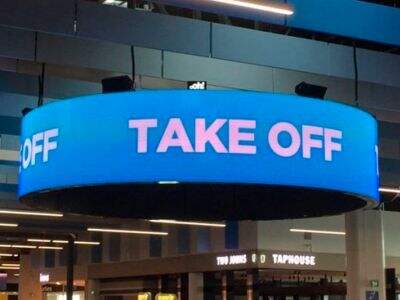
The impact of resolution on picture quality
First off, the display resolution is a big indicator of how clear an LED screen can be. If this resolution is bad, the colors and details that may show in your image will not come as sharp or close to reality as they should. This can sometimes be difficult to see what is on the screen, or it could cause stress in your eyes. The picture is clear and colorful, so it looks sharp when seen full resolution in a desktop environment. When you use a higher resolution, the images stand out in the screen and it looks much cooler/features better
Resolution Matters - Here's Why We Should Check
In order to ensure that an LED display achieves its best results, we must really check whether the resolution is high enough in this case. This might involve testing the display to see if you need more or fewer pixels and adjusting it accordingly. It also can be a way to highlight other issues that make the image look bad - such as if the display is too dim or has bad color reproduction. When you do a resolution check, it is like giving the display unit some health checks

Why it has become essential to verify the resolution
The resolution must be checked for having maximum picture quality on LED display. This would enable it to verify that the display is all in working order so a clear and bright picture will be displayed for everyone watching. The reason is, if we forget to control the fixity of a particular resolution; then that picture might not come in an attractive look and it will be enjoyed less by everyone while watching. We can all agree that watching a movie where the picture is fuzzy would just not be fun at all
To conclude, verifying the resolution is one part of optimizing image performance on LED displays. It helps to ensure that the screens display sharp, vibrant pictures for everyone. If we realize the significance of resolution for watching LED display at work, it will still give us a good experience. After all... the higher the resolution, the clearer those photos are - and everyone loves a good show