
 EN
EN
 AR
AR
 BG
BG
 HR
HR
 CS
CS
 DA
DA
 NL
NL
 FI
FI
 FR
FR
 DE
DE
 EL
EL
 HI
HI
 IT
IT
 JA
JA
 KO
KO
 NO
NO
 PL
PL
 PT
PT
 RO
RO
 RU
RU
 ES
ES
 SV
SV
 TL
TL
 IW
IW
 ID
ID
 SK
SK
 VI
VI
 HU
HU
 TH
TH
 TR
TR
 FA
FA
 AF
AF
 GA
GA
 BE
BE
 BN
BN
 LO
LO
 LA
LA
 MY
MY
These LED screens, ubiquitous today and seen in stores, stadiums and even homes, instantly catch the eye. While there are many ways to control these bright displays, they have significantly evolved over the years and at LED Visual, we are focused on refining LED control. In this article, we will cover several of the most important new features and advancements for the future of LED screens and smart displays
What Key Innovations in LED Screen Control Systems for Smart Displays
The latest advancements for LED screens centers on the control system. Control is primarily happening with software now that enables you to manage your screen with your phone or computer. This allows you to have displays that change instantly like you would have lights flash with the music at a concert, and it uses the software that is able to sync multiple displays and lights together. The next big development that will streamline everything and the reason behind why more cables may not be involved anymore is the integration of wireless technology. You no longer have to worry about many wires connected everywhere for one screen display but can now control it remotely and from farther away! Finally, a very important development is also automatic bright and color adjusting capabilities. Smart display technology will now adapt to the lighting of your surroundings, ensuring that your displays looks stunning whether it is day or night. One of the most impact and exciting of all the new features for smart displays is artificial intelligence. Smart displays now are learning the watching habits of their consumers and if something popular is showing now, they will automatically display something that would be of equal interest to keep you hooked and coming back for more! LED Visual is thrilled to provide these state-of-the-art technologies for the best possible viewing experience
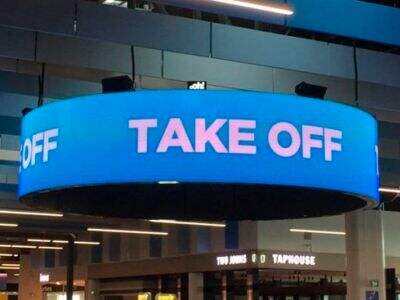
How LED Screen Controls Improve Quality of Smart Displays
There is a definite improvement in display quality with proper and efficient controls. Not only will the imagery on LED screens improve to look much clearer and colors be much more vivid, but they will also provide businesses a way to draw in customers. For example a store display that utilizes these new LED screens will use much brighter colors in advertisements making a statement and drawing attention in. This not only draws people in but allows you to change these ads within minutes instead of days like you would normally do! This will keep businesses fresh and the imagery appealing. This also leads to less energy consumption for displays. A higher quality display that utilizes these controls does not mean you have to use more energy because the power consumption of LED displays now allow for maximum viewing quality with lower energy use and allowing your displays to function longer while you are saving money! Furthermore, with new advancements in control systems there will also be an improvement in the ease of maintenance. You will always know exactly what is happening within your displays, preventing the stress and time that was normally used when managing LED screens at LED Visual we are excited about this new development
How to Optimize LED Screen Controls for Best Performance
Getting the most out of your LED screen controls can be achieved with few steps and tricks! Make sure that your controls software is up to date at all times, because LED Visual insists on making sure its customers are updated to new versions with better updates and fixes. It is always good to try to lower and adjust your brightness and color settings so the screen looks good, but it is not over whelming for the eyes; saving money and energy! One very important detail that can often be overlooked is making sure you have the correct, high-quality cables to prevent signal loss and ensure the proper quality of imagery on your LED screen. Just like any machine, it is also very important to keep your display properly maintained and clean as well. Lastly, in large venues or anywhere that you may be overseeing many LED screens at once, consider your layout. Make sure that screens are at the right height and angle for optimum viewing. Make sure to also train any staff at your company that may be managing the controls so that they are capable of any problem-solving or adjustments required. Taking care of these simple things can provide a significant benefit
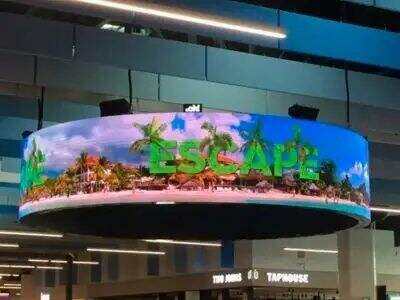
Latest Trends in LED Screen Control Systems
LED screen controls have been improving greatly over the years with the development of incredible new features, one of the most impact of which is wireless technology! Because new wireless controls require less wired connections and less labor to get displays up and running efficiently, companies can more easily manage displays on a larger scale, like at large music venues and stadiums. Artificial intelligence is now a new emerging factor, because it will automate adjustments to LED screen control based on environmental variables; meaning if it is sunny outside, smart display technology will now dim so the screen still remains visible. It is important that our displays are the best they can be, which is why we now also take advantage of smart displays that work with human interaction; making displays respond when people are close enough, for the ultimate immersive experience whether you are shopping at the mall or interacting in a museum. Lastly, Color quality in smart displays continues to rise while less energy is used to achieve the greatest results. Color and brightness will only continue to rise and will achieve such amazing levels that they will appear to look more life-like than ever before
Common Problems with LED Screen Control Systems
While we see a very promising future for LED screen control systems and we continue to see advancements in technology, there are some minor problems with LED screen controls users may face. One of the most obvious of the problems with any display controls is bad connectivity. Connectivity loss or a weakened connection with a display can prevent any imagery on the screen from showing; it would just be a blank screen. Poor calibration is a main contributor to issues with LED screens; it is extremely important to have proper calibration settings so that the image being displayed can show up as clearly as possible without distorting, another issue is that bugs in control software can effect the appearance of any displayed imagery. Poorly wired and/or connected devices are one of the top issues that may occur with control systems as, poor connectivity could either cause no display on the screen whatsoever or it could cause a broken, unfocused display. Make sure you check that your cables are properly hooked up to all devices, both wireless and not. Management of many displays in large venues may lead to them all be out of sync, be sure to plan all systems to function properly and without interference, or get proper training to be able to manage systems